top of page

Accelerating Evidence-Based Psychedelic Research for Mental Health and Trauma Care

The initiative

The American Alternative Care Policy Network is advancing responsible research into psychedelic-assisted mental health treatments and emerging therapies for trauma-related conditions, addiction, and treatment-resistant mental illness.

As federal agencies, state governments, research institutions, and veteran-focused organizations increasingly explore new approaches to behavioral healthcare, AACPN believes the United States should pursue a science-driven, evidence-based framework for evaluating promising therapeutic tools and treatment models.

AACPN supports responsible clinical research, evidence-based regulation, and medically supervised exploration of emerging psychedelic-assisted therapies for veterans, trauma survivors, and Americans facing treatment-resistant mental health conditions.
 

mushrooms psilocybin.jpg

The initiative focusses on federal and state policy developments, clinical research, veteran mental health advocacy, public education, and the advancement of safe, medically supervised treatment pathways grounded in scientific rigor and patient safety.

AACPN’s campaign will also track developments involving therapies and compounds currently under active research, including Psilocybin, MDMA, ibogaine, and related therapeutic modalities being studied for conditions such as PTSD, depression, addiction, trauma, and anxiety disorders.

AACPN believes the national conversation surrounding psychedelic-assisted therapies should remain focused on research, healthcare outcomes, patient protection, and responsible medical oversight — particularly for veterans, first responders, and other Americans disproportionately affected by trauma and behavioral health challenges.
 

TAKE ACTION AND STAY UP-TO-DATE BY JOINING AACPN TODAY

Policy focus

Policy focus 1.jpg

Psilocybin research

Researchers are actively studying psilocybin-assisted therapy for conditions including treatment-resistant depression, PTSD, end-of-life anxiety, addiction, and severe emotional distress. Multiple state and federal initiatives are now evaluating pathways for expanded clinical research and regulated therapeutic access.

MDMA-assisted therapy

MDMA-assisted therapy has become a major focus of veteran mental health and PTSD research. Clinical studies involving medically supervised MDMA-assisted treatment models have received increasing attention from researchers, policymakers, and federal agencies exploring new approaches to trauma care and behavioral health treatment.

Ibogaine & Neurological Research

Ibogaine research has gained growing attention for its potential applications involving addiction recovery, traumatic brain injury, neurological rehabilitation, and trauma-related conditions. Recent state initiatives, including major research investments in Texas, have accelerated national discussion surrounding ibogaine-related clinical research.


Ketamine-Assisted Therapy

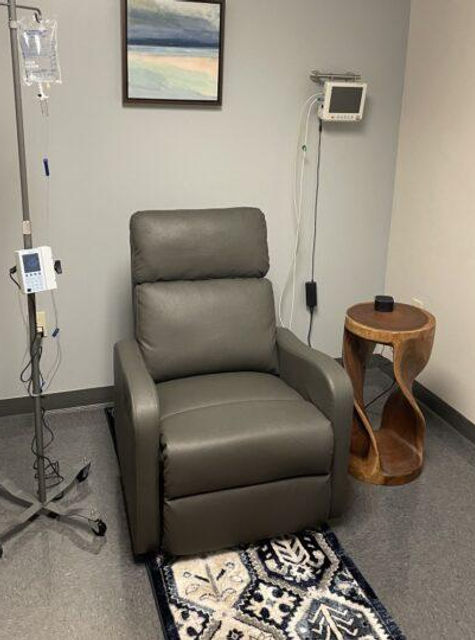
Ketamine-assisted therapy has emerged as one of the most established alternative behavioral health treatments currently in clinical use for certain patients suffering from severe depression, suicidality, chronic trauma, and related mental health conditions. Policymakers and healthcare systems continue evaluating appropriate treatment standards, access models, and patient protections.
 

Policy focus 2.jpg

Veteran & First Responder Mental Health

Many recent legislative and research initiatives have specifically focused on veterans, first responders, and trauma survivors experiencing PTSD, depression, addiction, and chronic psychological stress. AACPN believes these populations deserve continued access to responsible, evidence-based research exploring new mental health treatment options.

Research, Safety & Responsible Regulation

AACPN supports continued scientific research, physician oversight, patient protections, academic partnerships, and evidence-based regulatory frameworks governing emerging psychedelic-assisted therapies. The organization opposes reckless commercialization, misleading medical claims, unsafe treatment environments, and efforts to politicize or suppress legitimate scientific inquiry.

Why this matters

Why this matters.jpg

The United States is facing a growing behavioral and mental health crisis affecting millions of Americans, particularly veterans, first responders, trauma survivors, and individuals living with chronic stress, addiction, depression, PTSD, and treatment-resistant mental health conditions.

While traditional treatments remain important and effective for many patients, a growing body of clinical research has suggested that certain emerging therapies — including psychedelic-assisted treatments administered in medically supervised settings — may hold significant potential for improving mental health outcomes in carefully selected patients.

In recent years, major universities, federal agencies, veterans organizations, healthcare systems, and research institutions have expanded research into therapies involving psilocybin, MDMA-assisted therapy, ketamine-assisted therapy, ibogaine, and related treatment models. Policymakers at both the federal and state level have increasingly recognized the importance of allowing responsible scientific research to continue under strong medical oversight and evidence-based regulatory standards.
 

AACPN believes the national conversation surrounding psychedelic-assisted therapies should remain grounded in science, patient safety, medical ethics, and measurable healthcare outcomes — not political stigma or cultural polarization.

For many Americans struggling with trauma-related conditions and treatment-resistant illnesses, expanding responsible research may help open the door to new tools, new data, and potentially new pathways toward healing and recovery.

Federal status

Federal psychedelic research activity has accelerated significantly in recent years, driven largely by growing concern surrounding PTSD, veteran suicide, treatment-resistant mental illness, addiction, and broader behavioral health challenges.

At the center of the current federal landscape are increasing FDA-supported clinical trials, expanding veteran-focused research initiatives, growing bipartisan congressional interest, and new federal efforts to accelerate mental health innovation.


The FDA has granted Breakthrough Therapy designation to multiple psychedelic-assisted treatment programs involving psilocybin and MDMA-assisted therapy for conditions including treatment-resistant depression and PTSD. These designations are intended to accelerate the development and review of promising therapies that may represent substantial improvements over existing treatment options.
 

Ketamine - vet.png

Federal agencies including the Department of Veterans Affairs, FDA, NIH, ARPA-H, and HHS have also expanded research coordination involving psychedelic-assisted therapies, trauma treatment, addiction recovery, neurological rehabilitation, and behavioral health innovation.

Veteran-focused studies have become one of the primary drivers behind the growing national momentum surrounding psychedelic research. The Department of Veterans Affairs has launched or supported multiple clinical studies involving MDMA-assisted therapy, ketamine-assisted therapy, and related trauma-focused treatment models for veterans suffering from PTSD, depression, addiction, and treatment-resistant mental health conditions.

In 2026, the White House further accelerated federal momentum by issuing a major executive order directing federal agencies to expand and accelerate research, regulatory review, and treatment pathways involving emerging mental health therapies, including psychedelic-assisted treatments and ibogaine-related research initiatives.

While most psychedelic compounds remain classified as Schedule I substances under federal law, the overall direction of federal policy has increasingly shifted toward expanding scientific research, clinical evaluation, and evidence-based exploration of emerging behavioral health treatment models under strong medical oversight and patient safety standards.

Click here to see a full summary of current federal initiatives

State-level psychedelic research & policy developments

State governments across the United States are rapidly expanding efforts to study, regulate, and evaluate psychedelic-assisted therapies and emerging behavioral health treatments.

More than 20 states have now introduced, advanced, funded, or implemented legislation, pilot programs, task forces, clinical partnerships, Right-to-Try frameworks, or regulated therapeutic initiatives involving psychedelics, trauma treatment, addiction recovery, or mental health innovation.
 

Firefighter.jpg

States such as Texas, Connecticut, Utah, New York, New Jersey, Massachusetts, Colorado, Oregon, Minnesota, Louisiana, Washington, and New Mexico have all advanced significant research or policy initiatives involving psychedelic-assisted therapies or related treatment models.

Much of the recent momentum has centered on veterans, first responders, treatment-resistant mental health conditions, traumatic brain injury, addiction recovery, and the growing need for evidence-based alternatives within the broader behavioral healthcare system.

As research continues to expand nationally, states are increasingly serving as policy laboratories for evaluating how emerging psychedelic-assisted therapies may fit into future behavioral health treatment systems under medically supervised and evidence-based frameworks.

Recent state activity has included:

  • veteran-focused PTSD treatment studies

  • university-led clinical research partnerships

  • psilocybin-assisted therapy pilot programs

  • ibogaine research funding initiatives

  • supervised treatment access frameworks

  • behavioral health innovation task forces

  • expanded investigational treatment pathways

Click here for a full summary of current state-level progress

Latest on the issue

Background

Background.jpg

Over the past several years, federal and state policymakers have significantly expanded efforts to evaluate psychedelic-assisted therapies as potential treatments for PTSD, depression, addiction, traumatic brain injury, and other serious mental health conditions.

At the federal level, agencies including the U.S. Department of Veterans Affairs, FDA, NIH, and ARPA-H have increased support for clinical research involving emerging therapies such as Psilocybin, MDMA, ketamine-assisted therapy, and ibogaine. In 2026, the White House issued a new executive order directing federal agencies to accelerate research and treatment pathways for serious mental illness, including psychedelic-assisted therapies focused on veterans, first-responders, and trauma survivors.
 

At the state level, lawmakers across the country have increasingly pursued research-focused legislation and pilot programs. States including Texas, Utah, Connecticut, New York, Massachusetts, and Louisiana have introduced or advanced initiatives supporting clinical trials, university partnerships, veteran-focused treatment studies, and state-funded research into psychedelic-assisted therapies.

Much of the recent legislative momentum has centered on the growing mental health crisis among veterans, first responders, and Americans suffering from treatment-resistant conditions, as well as rising interest in evidence-based alternatives and complementary approaches to behavioral healthcare.

AACPN believes policymakers should continue advancing responsible, science-driven research while maintaining strong medical oversight, patient protections, and evidence-based regulatory standards.

Join our mailing list

AACPN Working Primary horizontal logo - transparent background - super crop.png

Tel: (504) 517-0484

Email: jrgordonjr@gmail.com

700 Pennsylvania Ave, SE, Suite 320
 

Washington, DC 20003

© 2025 by the American Alternative Care Policy Network

bottom of page