






top of page

Veterans Equal Access

Overview

Military service should never result in fewer healthcare options than those available to the civilians our veterans served to protect.

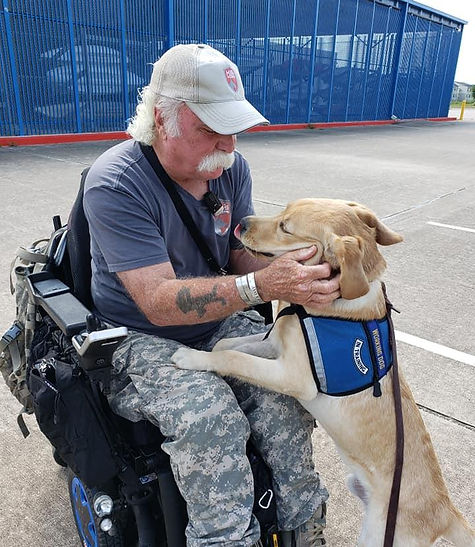
Many veterans receive the majority—or even all—of their healthcare through the Department of Veterans Affairs. When a healthcare service cannot be provided within the VA system, veterans may be required to seek outside providers, assume additional costs, and coordinate care across multiple healthcare systems. Equal access therefore means more than the legal availability of a treatment; it means the ability to access that treatment through the healthcare system responsible for managing a veteran's overall care. These are unnecessary barriers that can increase costs, fragment care, and disrupt the relationship between veterans and the healthcare providers who know their medical history best.

In states where medical cannabinoids are legal, most Americans can discuss the therapy with their physician and, when appropriate, obtain the recommendation or documentation required to participate in their state's medical cannabis program. At present, America's veterans cannot obtain cannabinoid recommendations or documentation from VA medical staff.

Overview_edited.jpg

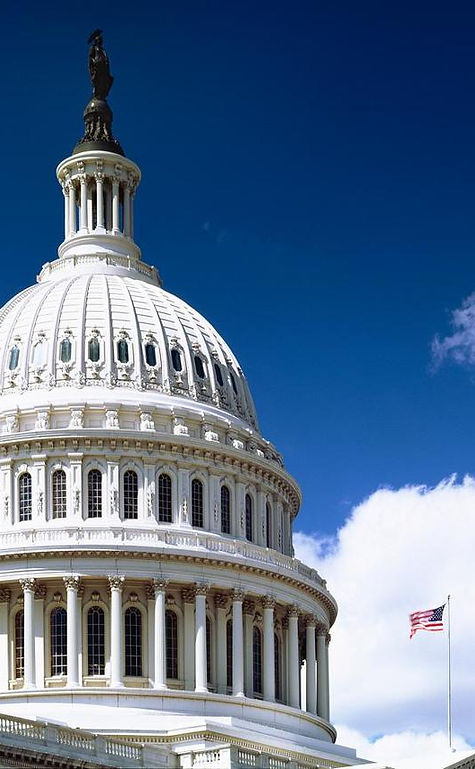
The American Alternative Care Policy Network's Veterans Equal Access initiative supports pending legislation in the U,S. Congress that will remove these barriers, allowing Veterans to discuss and pursue the same legal treatment options as their civilian neighbors with their VA doctors. At present, Congress is considering two pieces of legislation to resolve this discrepancy in healthcare access:
 

The Veterans Equal Access Act (H.R. 1384): a standalone bill that would permanently authorize VA healthcare providers to complete the documentation required for veterans to participate in state medical cannabis programs where permitted by law.

The Veterans Equal Access Amendment (H.R. 8469): an amendment to the 2027 annual Military Construction, Veterans Affairs, and Related Agencies Appropriations Act (H.R. 8469) would temporarily provide an interim one year appropriations-based pathway toward the same policy objective as the Veterans Equal Access Act by barring funds from being used to enforce the relevant portions of the VA directive that has previously limited physician-patient interactions on the topic of medical cannabis. 

TAKE ACTION AND STAY UP-TO-DATE BY JOINING AACPN TODAY

Current legislative status

Leg status.jpg

The Veterans Equal Access Act (H.R. 1384): On February 14, 2025, Representative Brian Mast (R-FL) introduced H.R. 1384, the Veterans Equal Access Act, with cosponsors Reps. David Joyce (R-OH), Dina Titus (D-NV), Troy Carter (D-LA), and Eleanor Holmes Norton (D-DC). Following its introduction, the bill was referred to the House Committee on Veterans' Affairs and subsequently to the Subcommittee on Health, where it remains under consideration.

The Veterans Equal Access Amendment (H.R. 8469): On May 14, 2026, Rep. Brian Mast (R-FL) successfully offered the bipartisan Veterans Equal Access Amendment to H.R. 8469, the Fiscal Year 2027 Military Construction, Veterans Affairs, and Related Agencies Appropriations Act. The amendment would prohibit appropriated funds from being used to enforce VA provisions that bar VA providers from recommending medical cannabis, making referrals, or assisting veterans with state-program paperwork. The amendment was adopted by a voice vote that same day, and was included in the version of the bill  that was passed by the House on the following day.  No companion Senate version of the bill has yet been introduced.

What is veteran equal access and how would it work?

hoe equal accress will work.jpg

The Veterans Equal Access Act  and the Veterans Equal Access Amendment would remove a specific administrative barrier within the Department of Veterans Affairs: the prohibition on VA healthcare providers providing recommendations where medically appropriate and completing the documentatirequired under state law for participation in state-authorized medical cannabis programs.

The Veterans Equal Access Act creates a permanent statutory change to federal law, whereas the Veterans Equal Access Amendment to H.R. 8469 offers Congress an opportunity to provide immediate, though temporary, relief while permanent legislation remains under consideration.

​​Participation would remain entirely voluntary for both patients and healthcare providers. Physicians would continue to exercise independent clinical judgment, while veterans would remain free to accept or decline any recommended treatment.

These proposals would not require the Department of Veterans Affairs to prescribe, dispense, or purchase medical cannabis. They would allow veterans to receive guidance from the healthcare providers already responsible for managing their care, promoting greater continuity and more informed clinical decision-making.

AACPN's position

The American Alternative Care Policy Network has endorsed both the Veterans Equal Access Act and the Veterans Equal Access Amendment to H.R. 8469 because every veteran deserves access to the same physician-guided healthcare conversations, and access to the full spectrum of legally available and  evidence-supported treatment options available to other Americans.

AACPN has long advocated that veterans should not face unnecessary administrative barriers or additional costs simply because they receive their healthcare through the U.S. Department of Veterans Affairs. Like any evidence-based medical treatment option, we believe veterans should have the opportunity to discuss that treatment with the healthcare providers responsible for coordinating their care in any place where is is legal to do so.

AACPN position.jpg

Barriers to equal access

Barriers.jpg

Millions of veterans rely on the Department of Veterans Affairs as their primary source of healthcare. For many, the VA provides comprehensive medical services, coordinates specialty care, and maintains a complete medical record that supports informed clinical decision-making.

In many states, however, veterans who may benefit from medical cannabis cannot obtain the recommendation or state certification required to participate in a legal medical cannabis program from their VA healthcare provider. Instead, they must seek out a separate non-VA physician solely to obtain the documentation required under state law.

These additional steps  can increase costs, delay care, fragment medical records, and complicate coordination among healthcare providers. While veterans may ultimately gain access to state-authorized medical cannabis through outside physicians, they cannot always do so within the context of the healthcare system that already manages the rest of their care.

The result is a disparity in healthcare access between veterans who depend on the VA and civilians who receive care through private systems.

Equal access matters to veterans

Veterans experience higher rates of chronic pain, service-connected injuries, post-traumatic stress disorder, traumatic brain injury, and other complex health conditions than the general population. Many require coordinated, long-term medical care involving multiple healthcare professionals and treatment approaches.

Effective healthcare depends on open communication between patients and providers. When veterans must leave the VA healthcare system to pursue discussions about state-authorized medical cannabis, opportunities for coordinated care may be diminished. Separate evaluations, incomplete medical records, and fragmented treatment planning can make it more difficult for healthcare providers to develop comprehensive care strategies.

Why it matters.jpg

Improving access to physician-guided discussions within the VA healthcare system promotes continuity of care, strengthens informed decision-making, and ensures that veterans can evaluate all legally available treatment options with the providers who know their medical history, medications, and overall health.

Scientific evidence & ongoing research

Scientific.jpg

Medical cannabis continues to be the subject of significant scientific research in the United States and around the world. While evidence supporting its use varies by medical condition, research has identified potential therapeutic benefits for certain patients, particularly in areas such as post-traumatic stress disorder chronic pain, chemotherapy-induced nausea and vomiting, multiple sclerosis-related spasticity, and other qualifying conditions recognized under state medical cannabis programs.

Federal agencies, including the Department of Veterans Affairs and the National Institutes of Health, continue to support research into cannabinoid therapies and their potential applications for veterans living with complex medical conditions.

The AACPN believes healthcare policy should evolve alongside scientific evidence, clinical experience, and improved understanding of both the potential benefits and risks of alternative therapies, ensuring that patients and healthcare professionals can make informed decisions based on the best available research rather than outdated administrative barriers.

The provider-patient relationship

psysician patient.jpg

The provider-patient relationship is one of the most important foundations of effective healthcare. Trust, open communication, and informed clinical judgment enable patients and healthcare professionals to make individualized treatment decisions based on each patient's medical history, current condition, and personal healthcare goals.

AACPN believes government policy should support—not unnecessarily interfere with—these conversations. Decisions about appropriate treatment options should be guided by medical evidence, professional judgment, and patient preferences whenever permitted under applicable law.

Allowing VA healthcare providers to provide recommendations, make appropriate referrals, and assist with required documentation for state programs strengthens continuity of care by ensuring that treatment decisions occur within the broader context of a veteran's overall healthcare plan. This approach supports better communication, more complete medical records, and improved coordination among healthcare providers.

The full spectrum of care for veterans

Medical cannabis is one of many therapeutic options that may benefit certain patients under appropriate clinical circumstances. Like pharmaceuticals, physical rehabilitation, behavioral health interventions, complementary therapies, and emerging medical treatments, it should be evaluated on the basis of scientific evidence, patient needs, and professional medical judgment.

AACPN does not advocate for any single treatment as a universal solution. Every patient's medical circumstances are different, and no therapy is appropriate for everyone. Healthcare professionals should have the flexibility to consider the full spectrum of evidence-based treatment options when developing individualized plans of care.


Section 7.jpg

Healthcare innovation succeeds when clinicians have access to an expanding range of scientifically evaluated treatment options and the flexibility to determine which therapies are appropriate for each individual patient. Veterans Equal Access is about ensuring that veterans have the same opportunity as their civilian neighbors to discuss all legally available treatment options with the healthcare providers responsible for coordinating their care. Removing unnecessary administrative barriers allows healthcare decisions to remain where they belong: between informed patients and qualified medical professionals, guided by science and focused on achieving the best possible outcomes.

Latest on the issue

Join our mailing list

AACPN Working Primary horizontal logo - transparent background - super crop.png

Tel: (504) 517-0484

Email: jrgordonjr@gmail.com

700 Pennsylvania Ave, SE, Suite 320
 

Washington, DC 20003

© 2025 by the American Alternative Care Policy Network

bottom of page